
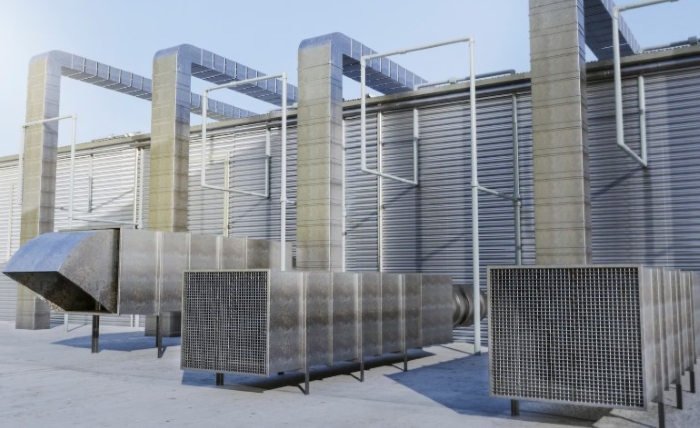
Cooling towers are essential to many industrial and commercial facilities, but they also come with a well-known drawback: noise. The constant movement of water, fans, and mechanical components can create sound levels that are disruptive to workers, nearby buildings, and surrounding communities. Over time, that noise isn’t just an annoyance—it can affect equipment performance, employee well-being, and regulatory compliance.
This is where acoustic panels for cooling towers come into play. When designed and installed correctly, they do far more than reduce noise. They help protect equipment, improve working conditions, and support smoother, more efficient operations. This guide breaks down how acoustic panels work, how to choose the right solution, and how to measure their real-world impact.
Understanding the Science of Sound in Cooling Towers
How Sound Waves Interact with Cooling Tower Structures
Sound is energy traveling through the air in the form of vibrations. In a cooling tower, these vibrations come from multiple sources: large fans, motors, falling water, and airflow moving through structural components. When sound waves hit surfaces, three things can happen. They can bounce back (reflection), pass through (transmission), or be absorbed.
Cooling towers often have hard surfaces that reflect sound, which leads to echoing and amplification. Over time, this constant vibration can increase mechanical stress on components and raise overall noise levels far beyond what’s comfortable or acceptable. Left unmanaged, sound can travel well beyond the facility, creating issues with nearby residents or businesses.
Understanding how sound behaves in this environment helps explain why targeted noise control is so important. It’s not just about making things quieter—it’s about controlling where sound goes and how it behaves once it’s generated.
The Role of Absorption and Diffusion
Acoustic panels address noise problems using two main principles: absorption and diffusion. Absorption reduces sound by trapping energy within the panel material instead of letting it bounce back into the space. Diffusion scatters sound waves so they don’t build up in one concentrated area.
In cooling towers, absorption is especially important for reducing constant, repetitive noise from fans and motors. Diffusion helps prevent sound from focusing in certain directions, which can otherwise cause hotspots of high noise levels.
Together, these functions help stabilize the acoustic environment around the cooling tower. That stability reduces stress on equipment, improves working conditions, and lowers the overall noise footprint of the facility.
Why Noise Control Is an Operational Issue, Not Just a Comfort Issue
Noise is often treated as a side problem, but in industrial settings, it’s closely tied to performance. Excessive noise can mask warning sounds, make communication harder, and increase fatigue among maintenance staff. Over time, this can lead to errors, slower response times, and higher turnover.
There are also regulatory considerations. Many regions enforce strict noise limits for industrial equipment, especially when facilities are close to residential areas. Failing to control noise can result in fines, restrictions, or forced retrofits under tight deadlines.
Using acoustic panels for cooling towers shows a proactive approach. It reduces risk, supports compliance, and signals that the facility takes both safety and community impact seriously.
How Acoustic Panels Are Designed to Work
Materials Used in Acoustic Panels
Not all acoustic panels are created equal. The materials used play a major role in how effective they are, especially in harsh environments like cooling towers.
Fiberglass is one of the most common materials because it offers excellent sound absorption across a wide range of frequencies. It’s lightweight, effective, and relatively affordable. Many fiberglass panels are treated to resist moisture, which is critical in cooling tower settings.
Polyester panels are another popular option. They’re often chosen for their environmental benefits, as many are made from recycled materials. Polyester panels are durable, easy to customize, and resistant to moisture and mold.
Mineral wool panels are known for their fire resistance and durability. They’re often used in facilities where safety regulations are especially strict. While they can be heavier, their performance in demanding conditions makes them a strong option.
Understanding NRC and Acoustic Performance
A key metric used to evaluate acoustic panels is the Noise Reduction Coefficient, or NRC. This number represents how much sound a material absorbs on average across common frequencies. A higher NRC means better sound absorption.
For cooling towers, it’s important to consider not just the NRC value, but also which frequencies the panel absorbs best. Low-frequency noise from large fans can be harder to control than higher-frequency sounds. Thicker and denser panels tend to perform better at lower frequencies.
Panel thickness, density, and surface texture all influence performance. Some panels are designed with textured or perforated surfaces to improve diffusion, helping spread sound more evenly instead of letting it concentrate.
Mounting and Configuration Matter
Even the best panel won’t perform well if it’s installed incorrectly. How panels are mounted—directly to structures, suspended, or framed—affects how sound interacts with them.
Spacing panels slightly away from walls can improve low-frequency absorption. Installing panels at varying heights can help address different sound sources. Edge treatments and sealing also matter, as gaps can let sound escape and reduce overall effectiveness.
Designing the system as a whole, rather than treating panels as standalone items, leads to much better results.
Choosing the Right Acoustic Panels for Cooling Towers
Matching Materials to Environmental Conditions
Cooling towers expose materials to moisture, heat, airflow, and sometimes chemicals. That means acoustic panels must be durable, corrosion-resistant, and able to maintain performance over time.
Fiberglass and polyester panels designed for industrial use are often coated or wrapped to protect against moisture and debris. Mineral wool panels may be chosen when fire resistance is a priority.
When selecting acoustic panels for cooling towers, it’s important to balance sound performance with durability. Panels that degrade quickly will lose effectiveness and require frequent replacement.
Standard Panels vs. Custom Solutions
Standard acoustic panels can work well for simple installations or smaller systems. They’re readily available and often more affordable upfront.
Custom panels, however, offer advantages in complex or large-scale cooling tower setups. They can be designed to fit specific dimensions, airflow patterns, and structural layouts. Custom solutions can also integrate more seamlessly with existing infrastructure.
While custom panels usually cost more initially, they often provide better long-term value through improved performance and reduced need for adjustments or replacements.
Weighing Cost Against Long-Term Benefits
At first glance, acoustic panel installation may seem like a secondary expense. But looking only at upfront cost misses the bigger picture.
Benefits include:
- Lower risk of regulatory penalties
- Improved worker comfort and productivity
- Reduced wear on equipment due to lower vibration
- Fewer noise-related complaints from nearby properties
- Enhanced corporate image and sustainability credentials
When these factors are considered together, acoustic panels often prove to be a smart investment rather than a cost burden.
Installation Best Practices for Maximum Effectiveness
Start with a Detailed Site Assessment
Every cooling tower environment is different. Before installation, a thorough site assessment is essential. This involves identifying noise sources, measuring sound levels, and understanding how sound travels through the space.
Factors such as tower height, nearby structures, wind patterns, and reflective surfaces all influence the acoustic strategy. In many cases, working with an acoustic consultant helps ensure nothing is overlooked.
Sound mapping and measurements taken before installation provide a baseline for evaluating success later.
Strategic Panel Placement
Panels should be installed where they will have the greatest impact. Common locations include:
- Around the perimeter of the cooling tower
- Near fan intakes and exhaust points
- On surfaces facing noise-sensitive areas
- Near reflective walls that amplify sound
Using panels at different heights helps manage both low- and high-frequency noise. Spacing and orientation also affect how well sound is absorbed and diffused.
Following manufacturer guidelines during installation ensures panels remain stable and effective in challenging conditions.
Maintenance and Long-Term Care
Acoustic panels require regular inspection to stay effective. Dust, dirt, and moisture buildup can reduce absorption over time.
Routine cleaning, visual inspections, and occasional performance checks help extend panel life. If noise levels change due to equipment upgrades or wear, panels may need to be repositioned or supplemented.
A proactive maintenance approach ensures acoustic panels continue delivering value year after year.
Measuring the Impact of Acoustic Panels
Tracking Noise Reduction Results
The most direct way to measure success is through decibel readings. Taking measurements before and after installation shows how much noise reduction has been achieved.
It’s also useful to analyze noise by frequency. Some panels may significantly reduce high-frequency noise while leaving low-frequency sound relatively unchanged. Frequency analysis helps identify whether additional adjustments are needed.
Operational Feedback and Real-World Outcomes
Beyond measurements, feedback from staff and maintenance teams is valuable. Many facilities report improved communication, lower stress levels, and fewer complaints after installing acoustic panels.
In some cases, reduced vibration also leads to less mechanical wear and fewer maintenance issues. These indirect benefits often go unnoticed at first but add up over time.
Case Examples and Practical Results
Facilities that invest in acoustic panels for cooling towers often see measurable improvements within months. Reduced noise levels help meet regulatory requirements and improve relationships with nearby communities.
Maintenance teams frequently report quieter working conditions and easier inspections. Over time, these improvements contribute to smoother operations and better overall efficiency.
The Future of Acoustic Solutions in Cooling Towers
Acoustic technology continues to evolve. Smart monitoring systems are emerging that track noise levels in real time and flag changes that may indicate equipment issues.
Material science is also advancing. New hybrid materials aim to absorb a wider range of frequencies while being lighter, more durable, and more environmentally friendly.
There’s also growing interest in combining acoustic performance with visual design, allowing panels to blend into industrial architecture rather than looking like add-ons.
As sustainability becomes a stronger focus, eco-friendly acoustic panels made from recycled or low-impact materials are likely to become more common.
Final Thoughts
Noise control is no longer optional for modern facilities. Acoustic panels for cooling towers offer a practical, effective way to manage sound while supporting equipment performance, regulatory compliance, and workplace comfort.
When chosen carefully and installed correctly, acoustic panels deliver benefits that go well beyond noise reduction. They protect infrastructure, support staff, and help facilities operate more efficiently and responsibly. For organizations looking to future-proof their cooling tower operations, investing in acoustic solutions is a step that pays off in both the short and long term.


